Evolution of a Workhorse: My First Impressions of the OM System OM-1 Mark II
Feb 15, 2026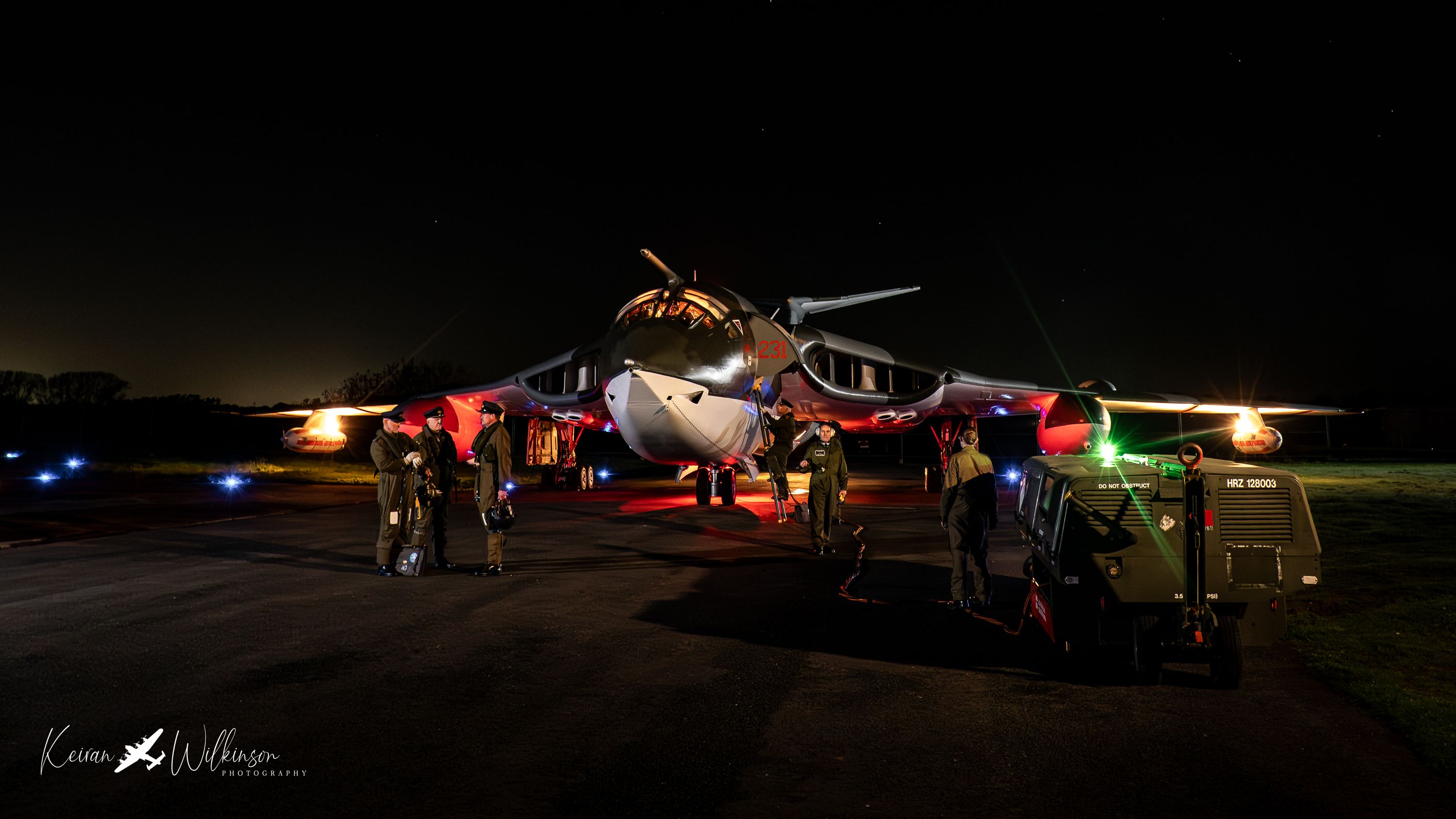
By Keiran Wilkinson
As many members of the COAP community know, I have been a devoted user of the Olympus E-M1X for the last couple of years, and before that, various Olympus EM-1 cameras. For me, Olympus (now OM System) cameras defined reliability. My E-M1X was a tough camera that I could trust implicitly in any weather and any shooting situation. So when Clifton Cameras kindly arranged a demo unit of the OM System OM-1 Mark II, I went into it with a mix of excitement and scepticism. Could the new OM System-designed body actually replace, or at least sit alongside, my faithful E-M1X?
After taking the OM-1 Mark II from the pitch-black corners of night shoots at Sywell and Wittering to the freezing fence line at Manchester Airport, here are my deep-dive thoughts.
Ergonomics and Build
Let’s get the grumbles out of the way first. Coming from the E-M1X, the OM-1 Mk II is small. For the general travel photographer, that is a selling point. For an aviation photographer standing in -2°C, trying to operate buttons with winter gloves on, it is a challenge.
The ergonomics have definitely taken a hit compared to the E-M1X, and it simply does not fit as neatly in my hand. The Info and Review buttons are close enough together that miss-presses happened more than I would like.
I also have some reservations about the battery grip's design. The E-M1X was a sealed, built in portrait grip style monolith, but the OM-1 requires a screw-on grip. The design has a recess where the screw sits that collects water, which makes me slightly nervous. That said, I used the camera in the rain, and the initial indications are that the weather sealing is good. Not that I should doubt it, OM System really market their gear’s weather sealing capabilities.
Generally, the ergonomics work for me. It has taken serious design cues from the E-M1X, even if the layout differs. I definitely like that the shutter button on this new body doesn't have a control dial around it, a design cue taken from the E-M1X. It feels cleaner, and I could get used to the general handling fairly quickly, given the similarity of the button layout.
The Software
The software side of things is a definite improvement. The new menu structure is cleaner and logical, and the "My Menu" feature is finally intuitive to set up. It feels modern. There are still quirks, such as not being able to press "right" to select a menu option, which is a step back from the EM1 series camera, but overall, navigating settings is much faster. Formatting cards takes less time, and setting up custom modes is a breeze compared to the old menu interface.
Night Shoot Performance
The camera started to win me over within the first hour of my first night shoot with it the Centre of Aviation Photography at Sywell. During the night shoots, I tested the Handheld Assist mode. This feature visualises the sensor's movement on the screen and shows you roughly where the image stabiliser is floating. It lets you see your stability in real time.
The result is seriously impressive. I was getting sharp, usable images at 2-2.5 seconds handheld such as the below image of a P-51. For static aircraft at night, this changes the game by allowing for lower ISOs without a tripod.
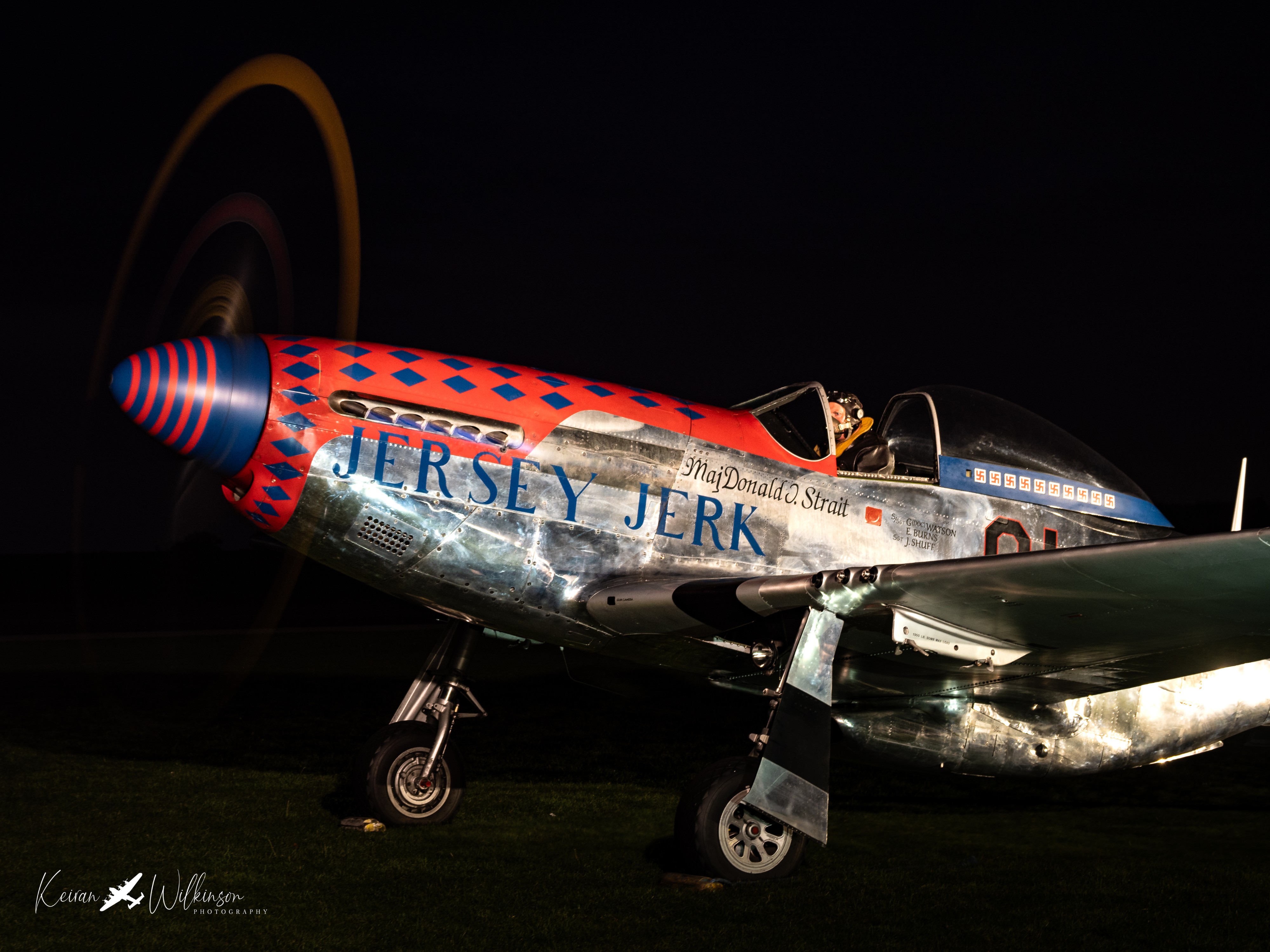
⏱️ 2s 👁️ F/4 ☀️ ISO 400 📏 44mm 📸 OM System OM-1 MKII with Olympus 12-100mm F4.0 👨💻 Post processed using Adobe Lightroom Classic
Speaking of ISO, the low-light autofocus is sticky and reliable. It shifts into a high-contrast black-and-white mode in the dark, which grabs focus much better than the E-M1X ever did. The files clean up beautifully at ISO 6400, and while "Live View Night Vision" felt like a feature best left for astro-photographers. Crucially, the sensor's raw performance in the dark is undeniable to me, especially given the OM-1's price point.
Autofocus and Tracking
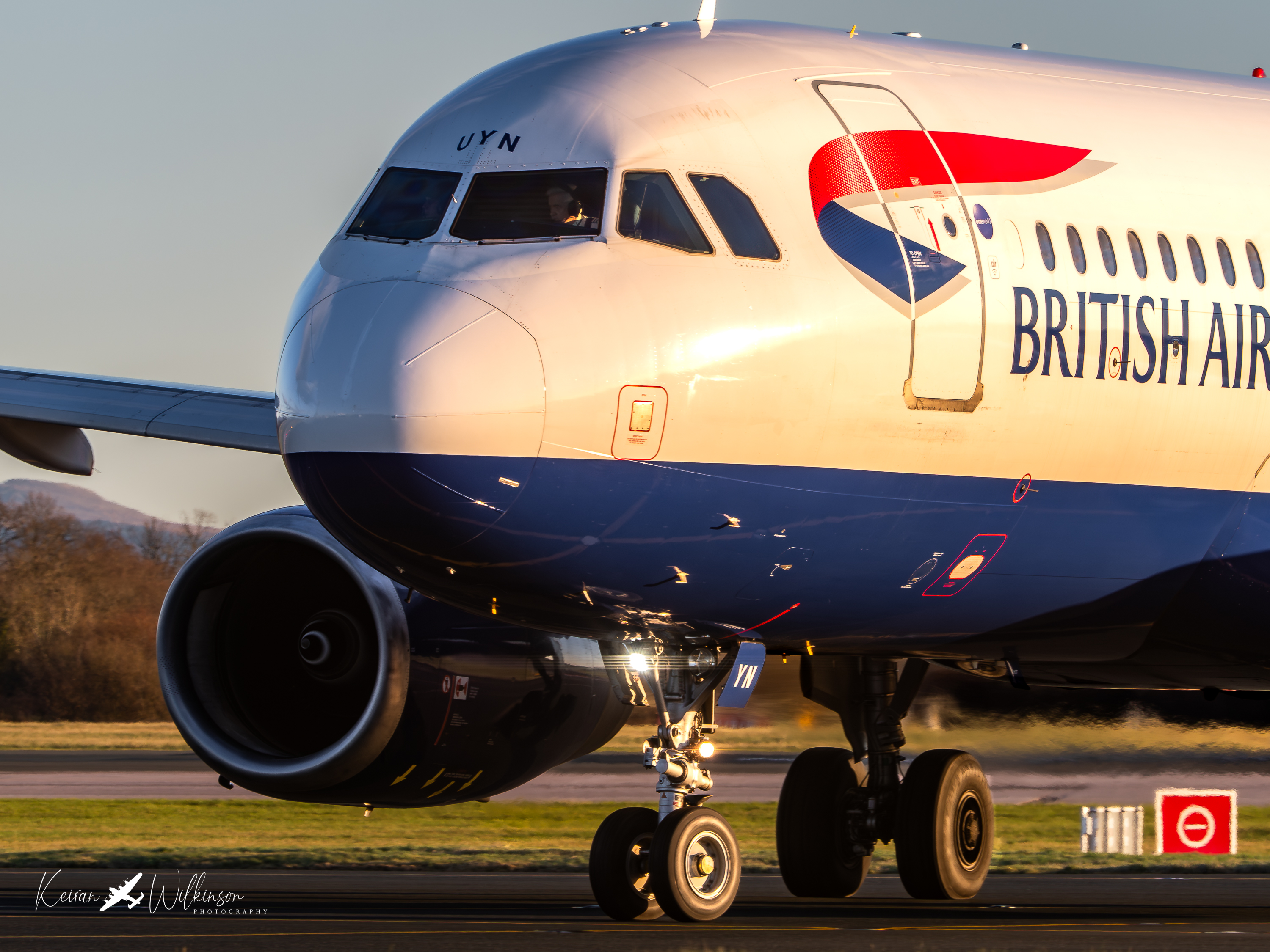
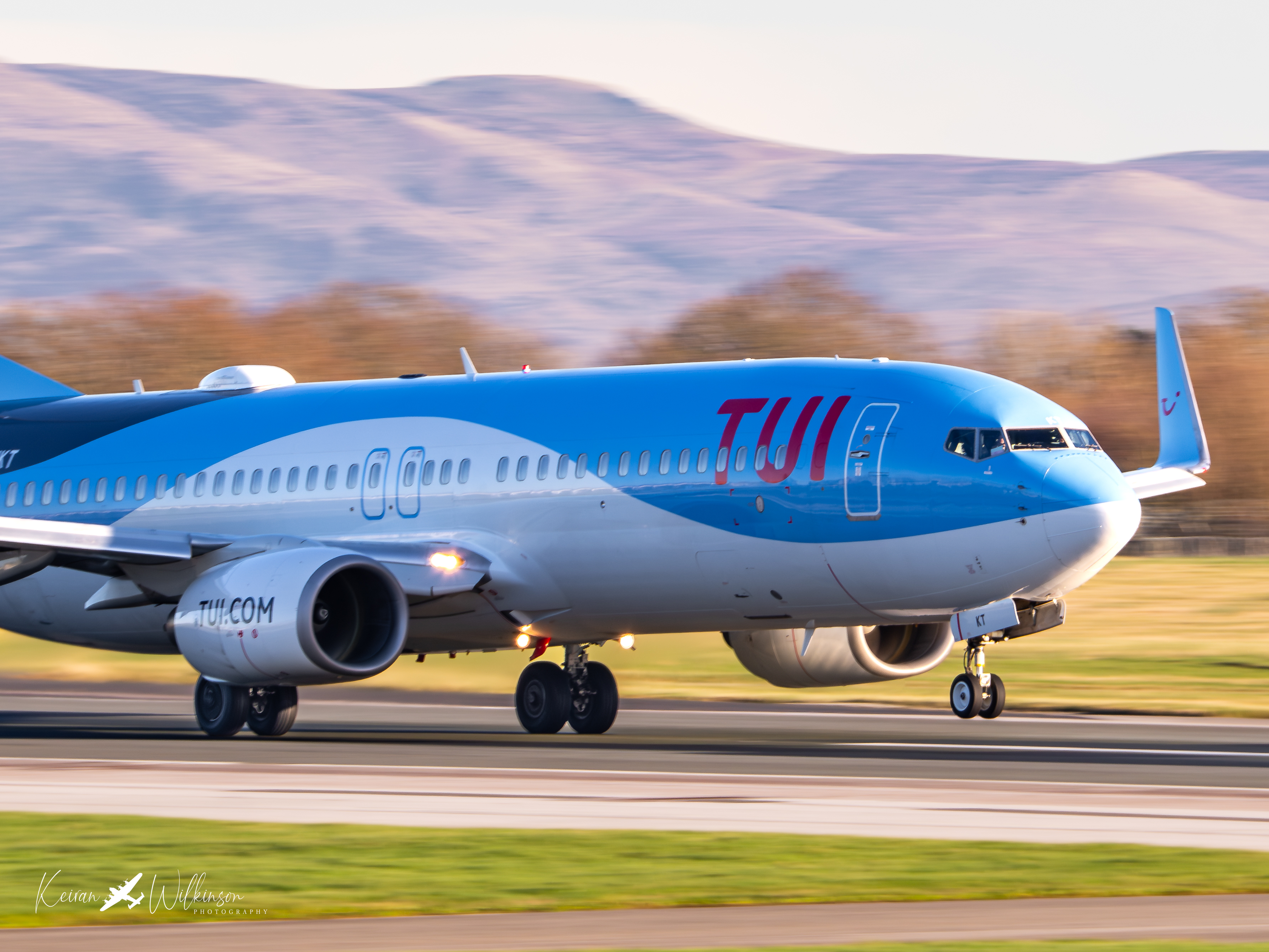
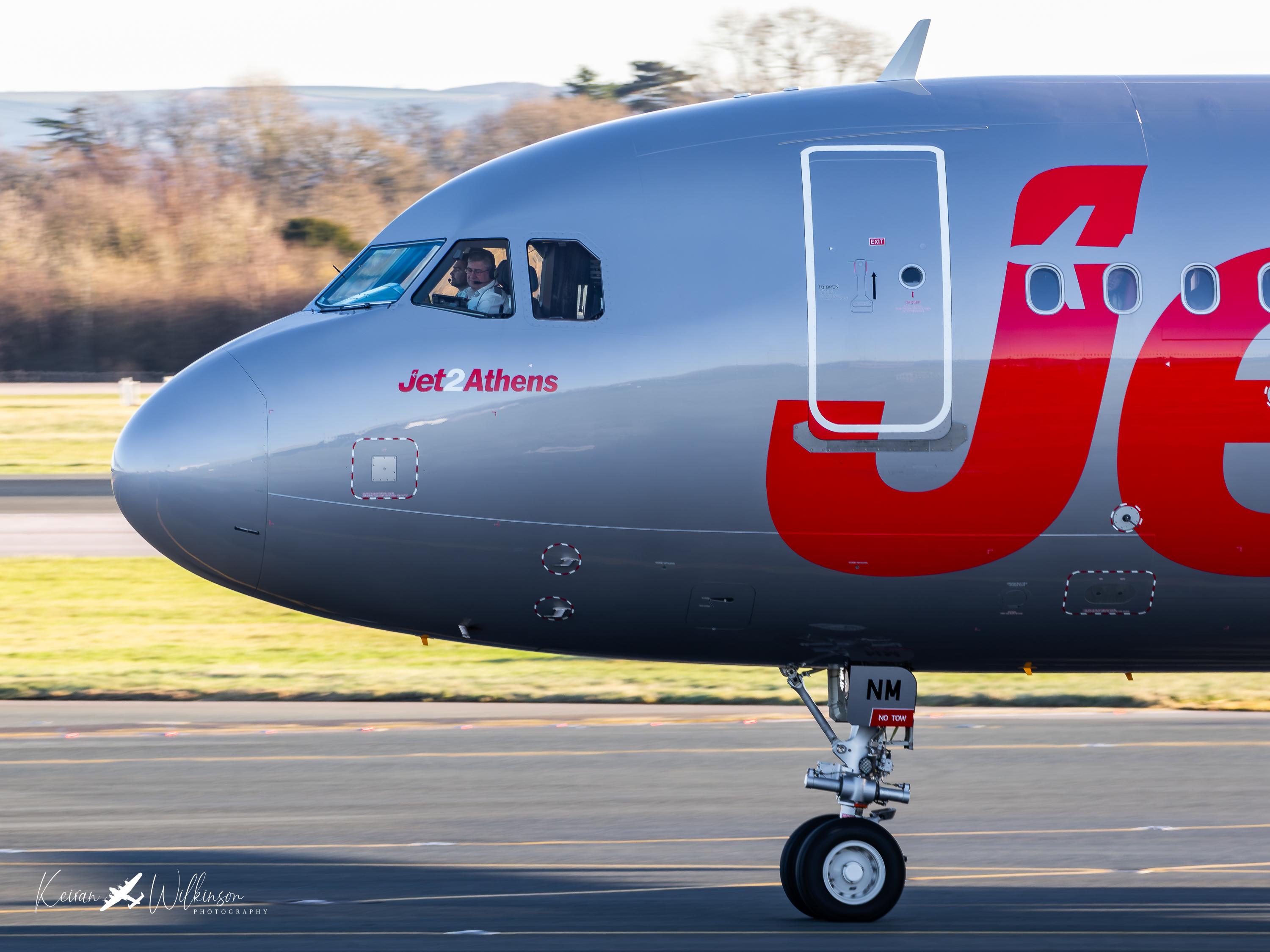
During the test period, I spent some time at Manchester Airport, truly blowing the cobwebs off. It was bitterly cold, but the light was gorgeous. Depleting light at sunset and moving aircraft were the ultimate tests for the Stacked Sensor, which my E-M1X didn’t feature.
On the E-M1X, using the electronic shutter for props was a no-go due to rolling shutter effects, where the sensor doesn’t process data fast enough, causing straight lines to “bend” in the final image. The readout speed on the OM-1 Mk II is so fast that, during my tests, I shot all day in electronic mode. There were no bent propellers or diagonal poles.
The Subject Detection is also a massive generational leap. It is no longer just looking for a generic aircraft shape; it locks onto the cockpit glass where it can find it. I tracked aircraft coming in and out, and the hit rate was superb. The "human" tracking was impressive, especially the ability to select the subject from the many identified. During COAP Heritage Wings shoots, the tracking picked up various members of the re-enactment teams, and the overall tracking performance makes the E-M1X feel a step behind. Here's a video of the aircraft tracking in action.
https://youtube.com/shorts/CORZyGPK8pc?si=OlwKtr_YCUBEKsHF
I also tested the Blackout-Free Shooting. It works at 12.5 FPS with a minimum shutter speed of 1/160s. That shutter speed limit is perfectly fine for the prop blur we're after, and for panning, having that constant, uninterrupted view of the subject without the EVF flickering is a massive advantage when you’re trying to track the aircraft. I’d like to see support for lower shutter speeds, but there is a point where I totally understand it isn’t technically feasible.
Power and Frame Buffer
A long battery life and high frame buffer capacity are essential for aviation photography. On the OM-1 Mk II, the buffer is seemingly bottomless. It shows a "99+" counter, and honestly, I never managed to fill it. The write speeds to the card are noticeably snappier than previous generations especially with UHS-II cards.
Battery life was another pleasant surprise. I shot over 2,000 frames and only just started using the battery grip's power after depleting the body battery. It is efficient, reliable, and gets the job done.
The Downsides
In the interests of being balanced in this section I'll share the things that left me wanting more. Firstly, the sensor is an improvement to stacked technology, but it'd be nice to see a step up in megapixels given the rest of the market. On the more practical side, having come from the EM1-X I'd have liked to have had the batteries in the grip in a sled to make them easier to change. This is somewhat offset though by the very much improved battery life. Looking for the future, with the likes of Canon starting to catch up on the heels of functionality like Pro-Capture OM System need to keep up the development to keep ahead of the curve, something that Olympus cameras were famed for. Let's hope the OM-1 II's processor has it in it to deliver those improvements.
In Summary…
The OM-1 Mk II is not perfect. I still miss the integrated vertical grip and the tank-like weather sealing of the E-M1X. But the technical advantages are too good to ignore. The tracking, stacked sensor, blackout-free EVF, and sorcery-level image stabilisation make it a worthy upgrade for me. If OM System replaces the EM1-X with OM-1 tech but in the same form factor, I’d likely jump to it, but the OM-1 II doesn’t really leave me wanting more.
So, what is the plan now that the trial is over? I have put my money where my mouth is and purchased an OM-1 Mk II. This is where I need to give a massive shout-out to Clifton Cameras, not only for arranging the long-term loan but also for the excellent service while completing my purchase.
My plan for the 2026 airshow season is a dual setup. The OM-1 Mk II will take the lead on the detailed, fast-tracking work with the long lenses, while the tried-and-tested E-M1X will stay by my side as a second body. It is the best of both worlds.
With that, see you all on the flight line!
Did you know our blogs are written exclusively by photographers inside the Accelerator? We'd love for you to come and see what COAP Online is all about.
Not yet part of the Aviation Photography Accelerator?
Start this month for £19
Every month the whole community locks onto one Focus Subject and learns it live with our pro instructors. You also get instant access to everything we have ever made: 30+ workshop replays, 150+ tutorials, four pro masterclasses, and The Merge, our private community of 500+ aviation photographers.
Cancel any time. 30-day money-back guarantee.

Included with the Accelerator
Exclusive gear discounts at Clifton Cameras
Everyone inside the Accelerator qualifies for exclusive pricing on cameras, lenses and accessories through our retail partner, Clifton Cameras. The saving on a single purchase can cover several months of the Accelerator.
Discounts available across









Get a free tutorial to your inbox every week!
Subscribe to our mailing list to receive a fantastic aviation photography tutorial to your inbox every Tuesday!
We hate spam as much as you. We will never sell your information, for any reason.