Rule of Space in Aviation Photography: Letting Aircraft Breathe for Stronger Composition
Mar 02, 2026
Welcome to Tutorial Tuesday, by COAP Online
The rule of space is one of the fastest ways to improve aviation photography composition, especially if images often feel ‘cramped’ even when the aircraft is sharp and you’ve nailed the action itself.
At its core, the rule of space means giving your subject room in the direction it’s moving to or moved from… Where it’s pointing or where the speed is conveyed in the source of travel.
Why the rule of space works so well for aircraft
The choice of composing with space behind the aircraft (ie showing where it came from), is usually based on speed. Think fast jets at slow shutter speeds blasting out on take off, or caught during a display with the efflux of jelly-air filling the cloud space. It works well. The alternative is showing where the aircraft is going, or where it’s pointed - this often lends itself to more artistic, thoughtful results.
Aircraft have a strong sense of direction. Viewers instinctively read the nose as ‘where it’s going’, even in a static ramp shot. When the nose is pushed against the edge of the frame, the image can feel tense or accidental, as if something is about to collide with the border.
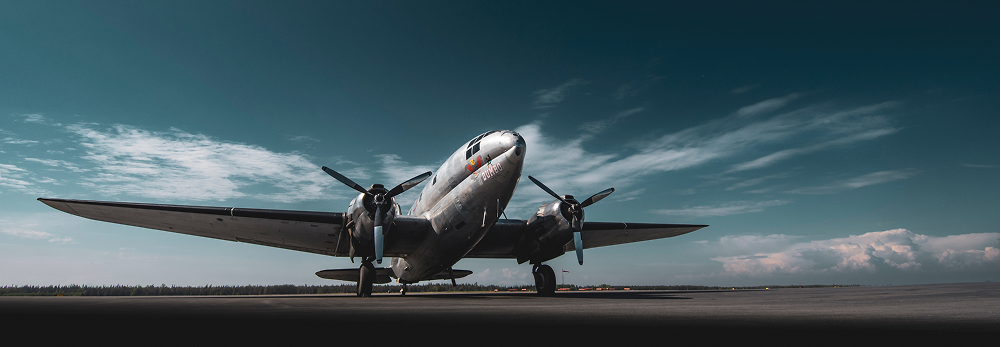
When you leave space in front, the photo feels:
- clearer, because the viewer understands the direction immediately
- artistic, because the aircraft has room to “move” through the frame
When you leave intentional space behind, the image feels:
- more dynamic, because the composition suggests motion and story
- more immersive, because the viewer can follow the action
Naturally, these are just suggestions and explanations as to why they work. Sometimes a tight ‘in your face’ crop is the one to go for but it is absolutely true to say that your images feel more ‘considered’ if this cropped technique is applied.
Let’s look at the ‘space in front’ version…
How to apply it in common aviation scenarios
In-flight (side-on pass): Leave space in front of the aircraft. If it’s banking, prioritise space in the direction the nose is travelling, not just the centre of the frame.
Head-ons and departures: Space is still important. If the aircraft is climbing away, avoid cropping too tight above the tail or wing tips. ‘Give the climb somewhere to go’.
Taxi and ramp shots: The rule of space becomes a storytelling tool around a static park or museum. Space in front can suggest anticipation or progress, or a longing to return to the skies, while a tighter frame can suggest chaos or intensity. The difference is what story you want to tell (see also Week 1!).
A quick “crop test” to train your eye
After a shoot, pick one image and make three crops:
- a crop with the aircraft centred
- a crop with extra space in front of the nose
- a crop showing the direction of travel (behind the aircraft)
Compare them at small size. The stronger composition usually becomes obvious immediately.
If you want to go further, COAP Online dives deeper into aviation composition, including how to balance rule of space with background control, runway lines, formations, and when breaking the rule creates more impact. The Merge post expands this with practical shooting and cropping exercises to build the habit. Explore COAP Online with a free trial at www.coaponline.com
Did you know our blogs are written exclusively by photographers inside the Accelerator? We'd love for you to come and see what COAP Online is all about.
Not yet part of the Aviation Photography Accelerator?
Start this month for £19
Every month the whole community locks onto one Focus Subject and learns it live with our pro instructors. You also get instant access to everything we have ever made: 30+ workshop replays, 150+ tutorials, four pro masterclasses, and The Merge, our private community of 500+ aviation photographers.
Cancel any time. 30-day money-back guarantee.

Included with the Accelerator
Exclusive gear discounts at Clifton Cameras
Everyone inside the Accelerator qualifies for exclusive pricing on cameras, lenses and accessories through our retail partner, Clifton Cameras. The saving on a single purchase can cover several months of the Accelerator.
Discounts available across









Get a free tutorial to your inbox every week!
Subscribe to our mailing list to receive a fantastic aviation photography tutorial to your inbox every Tuesday!
We hate spam as much as you. We will never sell your information, for any reason.