Shutter Speeds for Jets vs Props: Aviation Photography Settings That Look Natural
Mar 23, 2026
Welcome to Tutorial Tuesday, by COAP Online
Your shutter speed is one of the most effective ways to change the feel of an aviation photo. It does more than control camerashake and sharpness… You could even say it also has the power over action and realism.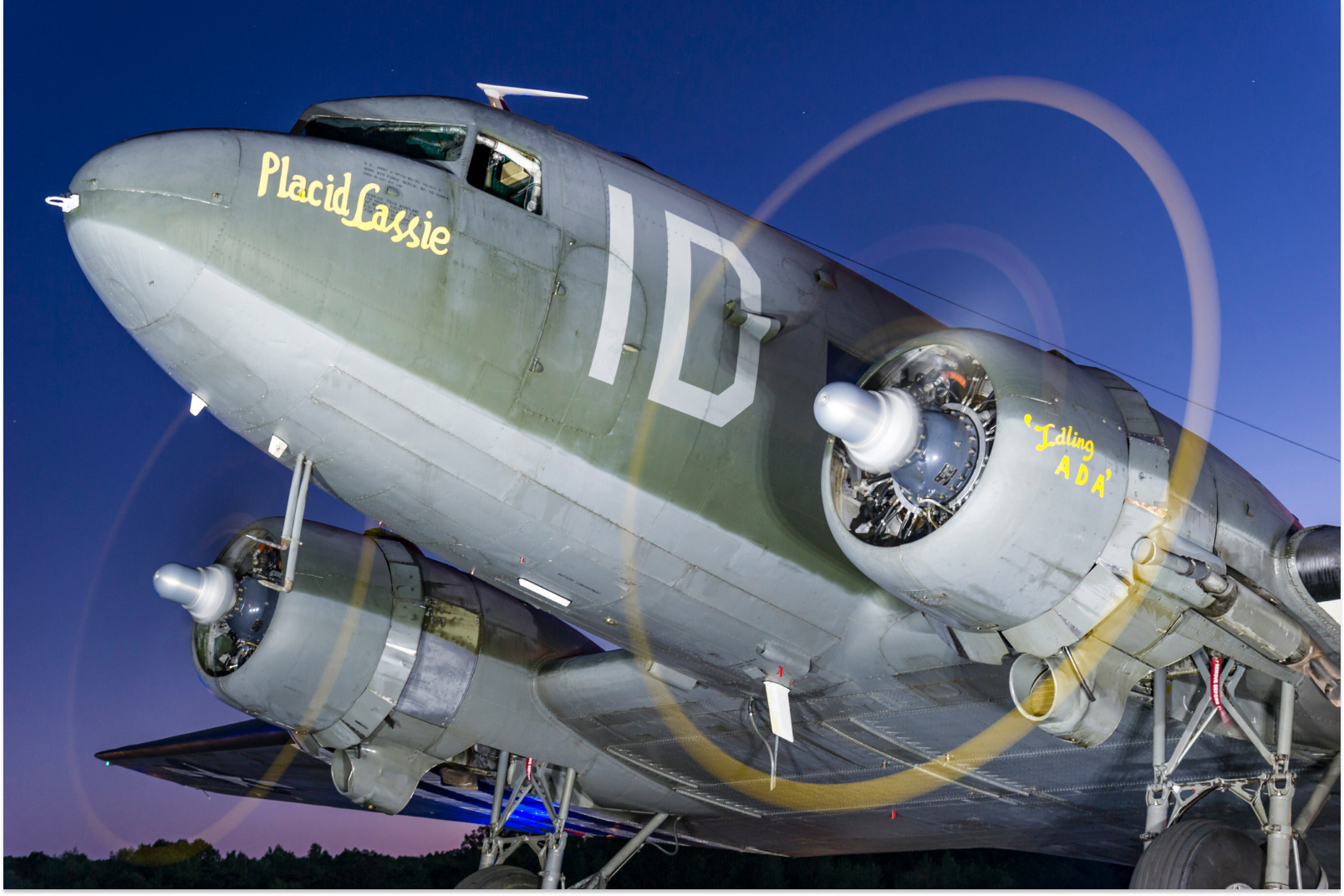
Why jets and props need different shutter speeds
Jets and props/rotors behave very differently.
With jets, there is no visible propeller or rotor blur to communicate motion. The sense of speed comes from the pose, the phase of flight, background, heat haze, vapour, and the way the aircraft sits in the frame. A faster shutter speed often makes sense because it keeps the aircraft crisp and protects detail, especially during fast passes at airshows.
When a jet is caught against a background (say low-level terrain, or simply on take-off) then choosing a slower shutter speed and combining it with a good panning technique is the absolute key to conveying motion.
With prop aircraft and helicopters, the spinning prop or trashing rotor blades are major parts of what makes the image feel authentic. If your shutter speed is too fast, the prop will freeze into an odd shape that looks unnatural and sucks the life out of the aircraft/helicopter into a still-motion ‘model’. The fuselage may be sharp, but it can feel like the it’s falling out of the sky. It’s that unnatural.
A practical way to choose shutter speed
Instead of hunting for one “correct” number, decide what you want the photo to say:
- Frozen action look: higher shutter speed, maximum crispness
- Natural motion look: slower shutter speed, some prop or rotor blur, airframe still sharp
- Speed and energy: panning with a slower shutter to blur the background while keeping the aircraft readable
The biggest skill that makes slower shutter speeds easier
If props and helicopters feel hard to get right, it’s rarely because the shutter speed is “wrong”. It’s usually tracking technique. Smooth panning, good stance, and keeping the AF point where it needs to be matters more than obsessing over exact settings.
A simple exercise is to shoot a prop aircraft at one shutter speed for a whole pass, then drop the shutter speed one step for the next pass. Compare the results and look specifically at the prop blur and cockpit sharpness. If you lower the speed far enough to get to the point where you’ve got loads of blur in the props/rotors but the fuselage is suffering from camera shake, then you’ve gone too far. You’ll quickly find a range that suits your lens, it’s image-stabilisation capabilities, your steadiness, and the subject’s speed.
If you want to go further, COAP Online goes deeper on shutter speed choices by aircraft type, and the Merge post drills into practical ranges, panning technique, stabilisation settings, and a simple progression plan to get confident with slower shutters. Explore COAP Online with a free trial at www.coaponline.com.
Did you know our blogs are written exclusively by photographers inside the Accelerator? We'd love for you to come and see what COAP Online is all about.
Not yet part of the Aviation Photography Accelerator?
Start this month for £19
Every month the whole community locks onto one Focus Subject and learns it live with our pro instructors. You also get instant access to everything we have ever made: 30+ workshop replays, 150+ tutorials, four pro masterclasses, and The Merge, our private community of 500+ aviation photographers.
Cancel any time. 30-day money-back guarantee.

Included with the Accelerator
Exclusive gear discounts at Clifton Cameras
Everyone inside the Accelerator qualifies for exclusive pricing on cameras, lenses and accessories through our retail partner, Clifton Cameras. The saving on a single purchase can cover several months of the Accelerator.
Discounts available across









Get a free tutorial to your inbox every week!
Subscribe to our mailing list to receive a fantastic aviation photography tutorial to your inbox every Tuesday!
We hate spam as much as you. We will never sell your information, for any reason.