Building Image Depth With Foreground Elements
Apr 06, 2026
Welcome to Tutorial Tuesday, by COAP Online
Aviation photos can look flat even when everything is ‘right’. The aircraft is sharp, the exposure is good, and the edit is solid, but the image still feels a bit one-dimensional, almost like a cut-out on a background.
One of the most reliable fixes here is also one of the simplest - build depth with a foreground element to bring that ‘I was there’ atmosphere.
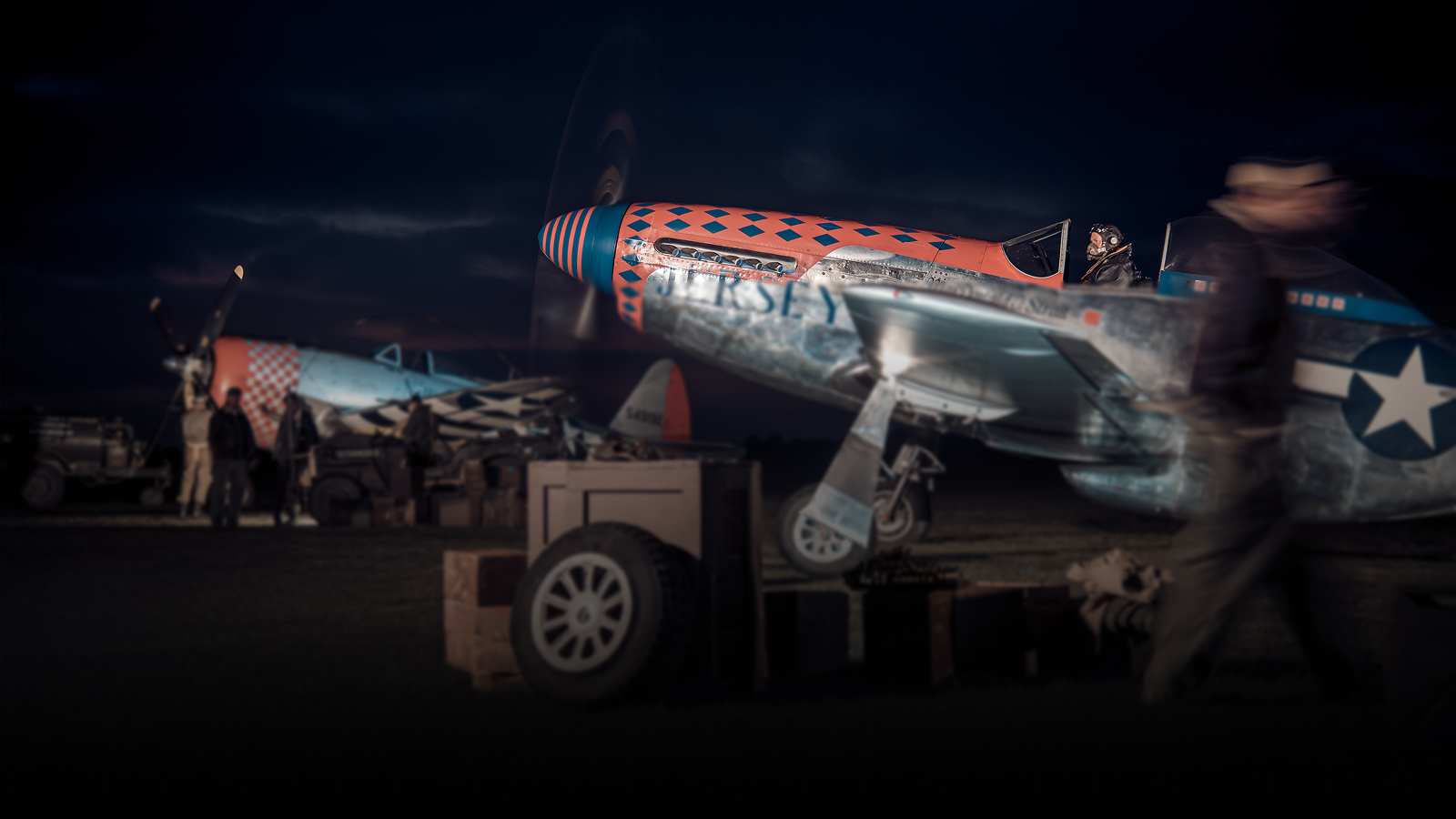
Why foreground layers create depth
Depth is created when the viewer can clearly observe distance. A foreground element gives the eye a reference point that sits closer than the aircraft, which immediately turns a flat frame into a scene with layers.
Think of it as three zones:
- Foreground: Close, often softer and more subtle
- Subject: The aircraft, sharp, cool & dominant
- Background: Sky, scenery, or ramp context
When those layers exist, the aircraft feels more three-dimensional and the photo becomes more immersive.
Foreground elements that work in aviation
The best foreground layers are those that are in context with the scene and composed deliberately. In aviation photography, that might be things like…
- A blurred crowd line or heads at an airshow
- A runway sign or light placed near the frame edge
- The edge of a hangar or an open door that creates natural framing
- Ramp equipment that adds to the story of the scene, without blocking the aircraft
- A wingtip or tail from another aircraft, used as a frame or leading line
The common thread here is intention. The foreground needs to support the story rather that competing or stealing attention.
How to keep it from becoming ‘clutter’
A helpful rule to remember is that a foreground element should usually be soft, small, relevant, or all three. If it is sharp and detailed, it competes with the aircraft.
A practical approach:
- Think about the aircraft first. Make sure the subject is strong on its own (and of course shoot it like this too!).
- Recompose the foreground as a subtle frame edge, not a central feature.
- Watch your edges. Foregrounds become distractions when they cut through key aircraft shapes.
- Keep the aircraft as the sharpest, highest-contrast area in the image.
Finally, remember that foreground layering is a creative tool, but not a rule. Sometimes clean and simple is the goal! But when a scene feels flat, a small foreground layer can turn it into something that feels real and puts the viewer right into the scene.
If you want to go further, COAP Online goes deeper on composition and creativity in aviation, including how to use layering with crowds, fences, hangars, and ramp scenes without clutter. The Merge post drills into practical exercises for building depth on location, plus how to decide when a foreground layer helps and when it hurts. Explore COAP Online with a free trial at www.coaponline.com.
Did you know our blogs are written exclusively by photographers inside the Accelerator? We'd love for you to come and see what COAP Online is all about.
Not yet part of the Aviation Photography Accelerator?
Start this month for £19
Every month the whole community locks onto one Focus Subject and learns it live with our pro instructors. You also get instant access to everything we have ever made: 30+ workshop replays, 150+ tutorials, four pro masterclasses, and The Merge, our private community of 500+ aviation photographers.
Cancel any time. 30-day money-back guarantee.

Included with the Accelerator
Exclusive gear discounts at Clifton Cameras
Everyone inside the Accelerator qualifies for exclusive pricing on cameras, lenses and accessories through our retail partner, Clifton Cameras. The saving on a single purchase can cover several months of the Accelerator.
Discounts available across









Get a free tutorial to your inbox every week!
Subscribe to our mailing list to receive a fantastic aviation photography tutorial to your inbox every Tuesday!
We hate spam as much as you. We will never sell your information, for any reason.